Roof leak and flashing repair in Princeton Heights (63109)
Princeton Heights is a quiet southwest city neighborhood of brick Cape Cods, cottages and bungalows. We find where water really enters these roofs and fix that spot, on a line that never closes.
- ZIP codes
- 63109
- County
- St. Louis City
- Phone
- (314) 461-6440, answered 24/7
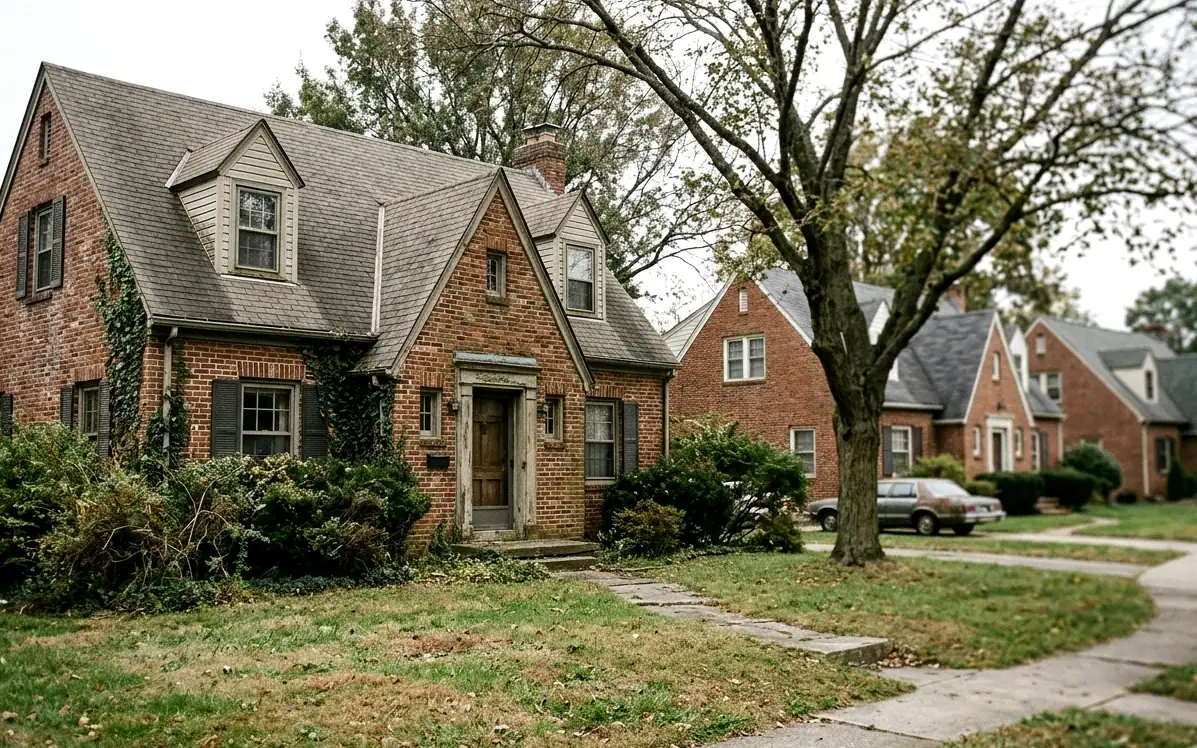
Stars and Stripes repairs roof leaks, flashing, shingles and gutters in Princeton Heights. The brick Cape Cods and cottages here often have finished upper floors, additions and exposed attics where small flaws show quickly. We trace each stain to its source, explain it with photos, and recommend the smallest repair that will hold. Phone (314) 461-6440 and a person answers.
What Princeton Heights, St. Louis homeowners call us about
Princeton Heights is tucked into southwest St. Louis next to St. Louis Hills, and it keeps a quieter, more modest feel. Brick Cape Cods, English-style cottages and bungalows line the streets, with tidy yards and detached garages behind. Most were built from the 1920s into the 1940s, and many families have lived in the same house for a very long time. Mature shade trees and well-kept lawns give the blocks a settled look, and roofs get repaired when needed.
A Cape Cod brings its own roofing puzzle. The upper rooms sit right under the slope, with knee walls and tight attic spaces behind them, so heat and moisture have nowhere to go. When a Princeton Heights homeowner reports a damp smell, peeling paint in a bedroom or a ceiling stain that comes and goes, the cause is rarely the shingles alone. Ceiling paint that bubbles or yellows is often the first clue, long before water drips.
That is why we trace leaks before we sell any repair. We look at the attic with a flashlight, follow the stain to the roof, and test the likely entry points one by one. Often the cure is a flashing rebuild or a new vent, and not a whole roof. When replacement is the honest answer, we say so plainly. You receive photos of every area we open, so the reasoning is clear before you decide.
Cape Cods, cottages and additions in southwest city
Typical Princeton Heights houses are one-and-a-half story brick with steep front gables, arched entries and small dormers. Roof pitches are steep enough to shed rain quickly, but the finished rooms underneath mean any moisture shows up on a bedroom ceiling fast. Original wood or slate roofs are long gone on most blocks, replaced by asphalt shingles. Brick walls are sound in most cases, so the roof and its metal details are where the maintenance dollars should go.
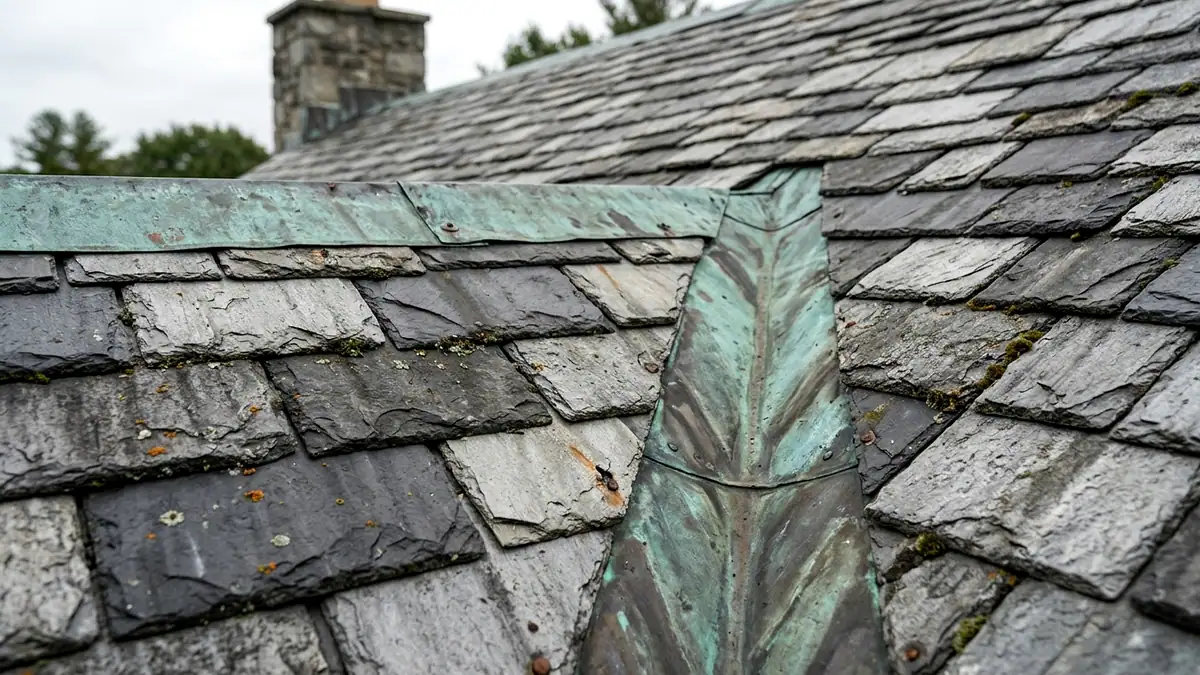
Many homes have grown over the decades with rear additions, enclosed porches and sunrooms. Each addition adds a wall-to-roof joint, and each joint depends on step flashing that must be woven correctly into the courses. When an old addition leaks, it is usually because that metal was skipped, bent or buried under thick sealant. A careful reflash takes more time than caulk, but it removes the leak instead of hiding it for a season or two.
How leaks start on Cape Cod style roofs
Attic condensation under the slope
Warm bedroom air leaks into tight attic spaces behind knee walls, then condenses on cold decking in winter. The damp patch looks like a roof leak but needs air sealing and ventilation.
Missing step flashing at additions
Where a rear addition meets the older wall, flashing may be caulked rather than woven in. Caulk shrinks and splits, and water follows the wall into the house.
Wind lifting shingle edges
Open blocks and higher ground give wind room to lift tabs along the ridge and rake. Once the seal strip lets go, each storm tears off a little more.
Ice at the north eaves
Shaded north eaves freeze first, and meltwater backs up under the first courses of shingles. Stains appear along the outer wall of upstairs rooms. Moisture also collects in closet corners.
Detached garage roofs ignored
Garages sit out of sight and often keep an original roof long after the house has been redone. Curling shingles there leak onto stored belongings before anyone notices.
Seeing one of these in Princeton Heights, St. Louis?
Call (314) 461-6440 any hour. We inspect in daylight and show you photos of what we find.
What our crew checks first on a Princeton Heights roof
- Attic space behind knee walls for frost, damp or stained decking
- Step flashing at every rear addition and sunroom wall
- Ridge and rake shingles for lifted tabs and broken seals
- North eaves for ice staining and wet insulation below
- Detached garage roof surface, gutters and fascia boards
Services Princeton Heights, St. Louis homes need most
Roof Leak Repair
Find the real leak source. The stain on your ceiling is rarely under the hole in your roof.
Roof Flashing Repair
Flashing joint repair. Flashing is the thin metal and rubber that turns water away at every joint in a roof.
Roof Ventilation
Attic airflow that protects shingles. A roof needs air moving under it to shed summer heat and winter moisture.
Attic Insulation
Insulate the attic floor. Heat leaves a house mostly through the ceiling.
Wind Damage Roof Repair
Windstorm roof repair. Wind often damages a roof without removing a single shingle.
Roof Repair
Everyday roof repair. Most roof problems start small: a few lifted shingles, a cracked boot, a nail that backed out.
Nearby areas we also cover
Roofing questions from Princeton Heights, St. Louis
Why is there a damp spot in my Princeton Heights bedroom ceiling when the roof looks fine?
On Cape Cods the cause is often condensation, not a hole. Warm room air reaches cold decking behind the knee wall and drips back down. We check the attic for frost stains and air leaks, then recommend sealing and ventilation fixes before you spend money on shingles.
Can step flashing be repaired without replacing my Princeton Heights roof?
Often, yes. We lift the nearby shingles, install new metal woven into each course, and reset the shingles over it. The repair is local, so the rest of a sound roof stays in place. If the shingles around it are also worn out, we tell you that too.
Do wind storms cause roof damage in Princeton Heights?
They can. Severe storms between March and June bring straight-line winds that lift tabs along ridges and edges, and one loosened course lets the next go. After a storm, check the yard for shingle pieces, then call us to inspect before rain returns. It takes only a few minutes to spot trouble.
Should the garage roof be redone with the house in Princeton Heights?
Doing both together usually saves time and gives a matching look from the alley and the street. If the garage roof is still sound, we can leave it and plan it for later. We inspect it either way and give you the honest condition. Either way, the decision stays yours.
Roof or siding trouble in Princeton Heights, St. Louis?
Call any hour. We set up a daylight inspection and walk you through what we find.