Window replacement in St. Louis for brick and frame homes
We replace tired windows on St. Louis brick homes, bungalows and ranches with vinyl or fiberglass units, fitted into the existing opening, sealed against drafts, and trimmed so the exterior looks finished.
- Answered 24/7
- Windows & Doors
- City, county and Metro East
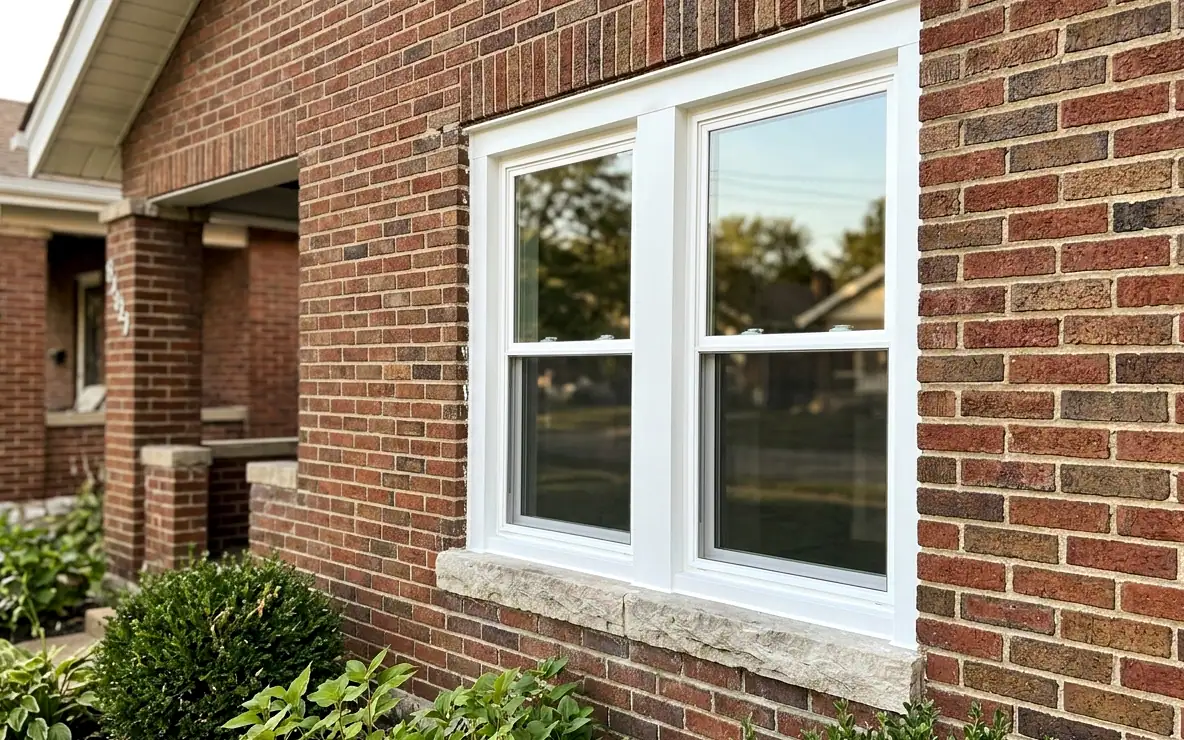
Window replacement swaps worn or drafty windows for new vinyl or fiberglass units, installed in the existing opening or after the frame is rebuilt. You need it when sashes stick, glass fogs, or air leaks around the frame. A visit includes measuring each opening, checking sill and brick condition, choosing sizes and styles, and planning the install.
How we handle window replacement on St. Louis homes
Windows in a typical St. Louis brick house have lived through a century of heat, humidity and freeze-thaw cycles. Original wood double-hung windows from the 1920s are often painted shut, with rotted sills and loose glazing. Mid-century aluminum windows in ranch homes are drafty and prone to condensation. Replacing them improves comfort and cuts the noise from busy streets, and it removes a lot of annual maintenance.
How a window is installed matters as much as what window it is. In brick openings, the new unit sits inside the existing frame or in a rebuilt frame, and the gap between window and masonry is insulated and sealed. Flashing at the sill and head directs water out, and exterior trim, usually aluminum capping, covers the old wood. Poor installation, not poor windows, causes most leaks and drafts.
We help you choose between vinyl and fiberglass, between double-hung, casement, slider and picture styles, and between full-frame and insert installation. For homes in historic districts, appearance rules can limit options, and we recommend checking with the neighborhood or city office before ordering. Some windows are better repaired, and we say so when a sash only needs new glazing or weatherstripping. Measurements come first, since every opening in an old brick house is slightly different.
Window frame, style and installation options
Vinyl replacement windows
Vinyl is the common choice. It needs no painting, comes in many sizes and styles, and costs less than other frames. White and tan are standard, and some colors are available.
Fiberglass windows
Fiberglass frames are stronger and more stable in heat and cold, hold paint well, and give slimmer frames. They cost more but suit homes where a thin, wood-like look matters.
Insert versus full-frame
Inserts fit inside the existing frame and keep the trim. Full-frame replacement removes everything down to the rough opening, which fixes rot and flashing problems at the sill.
Casement, double-hung and slider
Double-hungs match older homes. Casements seal tightly and open wide for ventilation. Sliders suit ranch homes, and picture windows add light where opening is not needed.
What window replacement costs in St. Louis
Price per window depends on frame material, size, style, glass options and how complex the opening is. Brick openings that need flashing and capping take more labor than a simple insert. Large picture windows and bay or bow units cost more than standard double-hungs. Jobs with many windows share setup time, so the per-window price drops on a whole-house replacement. We give you an itemized range after measuring.
Compare every roofing and siding price range or plan the order of your exterior work.
| Work | Typical range |
|---|---|
| Vinyl double-hung insert, standard size | $385 to $795 |
| Fiberglass window, standard size | $690 to $1,340 |
| Full-frame replacement in a brick opening | $870 to $1,760 |
| Aluminum capping and exterior trim, per window | $145 to $390 |
These typical ranges are installed prices for planning, not quotes, and sizes, glass options and rot repairs change the final number.
How a window replacement visit and install work
- 1
Measure every opening
We measure width, height and depth at several points, check the squareness of each opening, and note the sill, brick and frame condition before choosing a unit.
- 2
Choose style and glass
We walk you through vinyl or fiberglass frames, grid patterns, glass options and colors, using samples and photos, and settle the window layout room by room.
- 3
Remove old sash and frame
Old sashes, stops and parting beads come out, or the full frame is removed when it has rotted. Surrounding plaster and brick are protected during the work.
- 4
Set, shim and insulate
The new window is set level in the opening, shimmed, and anchored. The gap around the frame is filled with low-expansion foam and flashing tape at the sill.
- 5
Seal, trim and clean up
We caulk the exterior, cover the wood frame with aluminum capping, add interior trim where needed, test the operation of each sash, and clean the work area.
How do you know your windows need to be replaced?
Drafts and cold spots
Feeling air near the sash or frame on a windy day, or seeing curtains move, means weatherstripping or the frame seal has failed and heating costs are climbing.
Fogged or cloudy glass
Moisture trapped between the panes of a double-pane unit means the seal has failed. The glass cannot be cleaned clear, and the insulating value is already lost.
Sashes stick or will not stay up
Painted-shut wood windows, broken sash cords and warped frames make windows hard to open and a safety problem in an emergency exit.
Rotted sills and soft wood
Probe the sill and lower frame with a screwdriver. If the wood feels soft or crumbles, water has been getting in and the frame, not just the sash, needs attention.
Condensation on the inside
Water on the inside of the glass in winter, or mold on the sill, points to cold glass and poor sealing. New units run warmer and dry out faster.
Street noise comes through
Older single-pane and loose-fit windows pass traffic and neighbor noise. Laminated or double-pane glass with a tight frame seal cuts a good share of it.
Replacing windows in St. Louis brick homes
The city's brick two-family flats, bungalows and rowhouses typically have window openings with stone or brick sills, steel or brick lintels, and original wood frames set deep in the wall. Replacement means measuring each opening, since few are exactly square. In older homes, we check the brick around the frame, flash the sill, and seal the perimeter with backer rod and sealant so the new window does not leak where the old one did.
St. Louis weather is hard on windows. Hot, humid summers push on seals and vinyl frames, winters bring freeze-thaw cycles that open gaps at the sill, and spring storms drive rain sideways against the front wall. In county ranches and split levels from the 1950s to 1970s, aluminum windows are common, and in newer St. Charles subdivisions, builder-grade vinyl windows from the 1990s are reaching the end of their seals. Each type fails in a different way, and we match the fix to it.
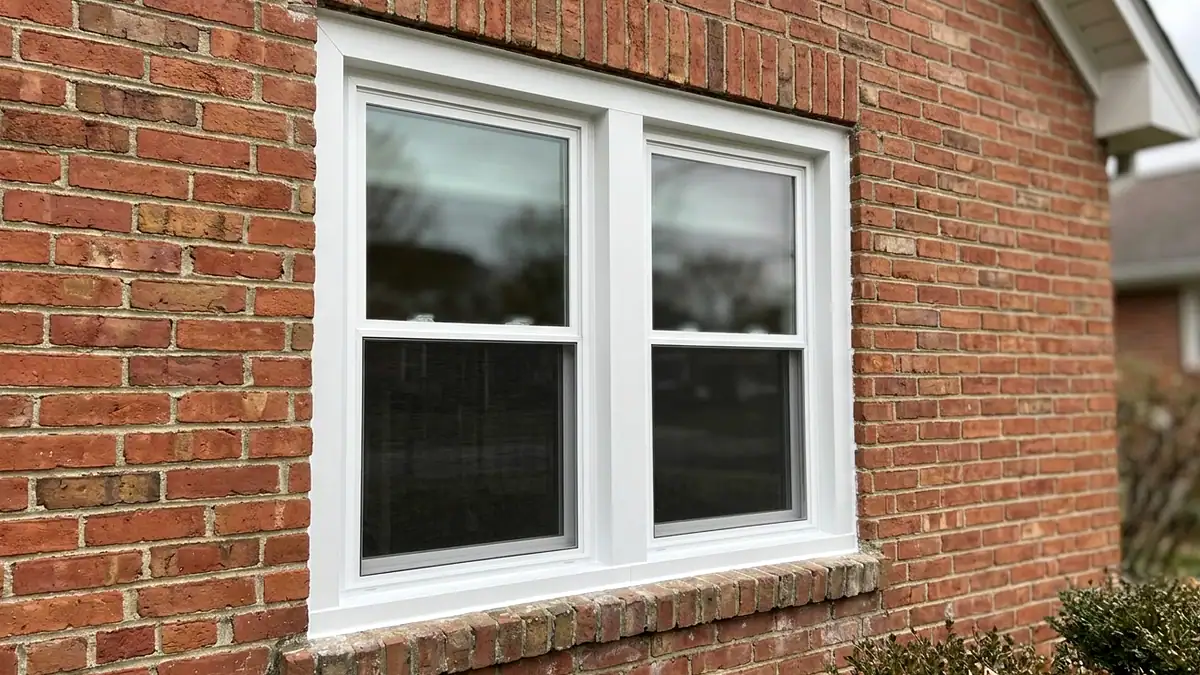
Where we handle window replacement
The city, the counties and the towns below cover most of the homes we work on. If yours is not listed, call and ask.
- City of St. Louis 63102
- St. Louis County, MO 63105
- St. Charles County, MO 63301
- Florissant, MO 63031
- Chesterfield, MO 63017
- Oakville, MO 63129
- St. Charles, MO 63301
- O'Fallon, MO 63366
- St. Peters, MO 63376
- Kirkwood, MO 63122
- Mehlville, MO 63125
- Belleville, IL 62220
- University City, MO 63130
- Ballwin, MO 63011
- Wentzville, MO 63385
- Hazelwood, MO 63042
- Webster Groves, MO 63119
- Edwardsville, IL 62025
- Collinsville, IL 62234
- Alton, IL 62002
- O'Fallon, IL 62269
- Arnold, MO 63010
- Affton, MO 63123
- Jefferson County, MO 63050
Shingle, siding and window lines we install and repair around St. Louis include GAF, Owens Corning, CertainTeed and James Hardie, plus the other brands below.
- GAF
- Owens Corning
- CertainTeed
- IKO
- Atlas
- Malarkey
- James Hardie
- LP SmartSide
- Alside
- Mastic
- DaVinci
- Velux
- Carlisle
- Firestone
Window Replacement questions
Should I choose vinyl or fiberglass windows for a St. Louis house?
Vinyl is the practical, lower cost choice and works for most homes. Fiberglass costs more, expands and contracts less in heat and cold, and holds paint, so it suits homes where slim frames or dark colors matter. Both can be tight and efficient when installed well. We show you samples before you choose.
Can you replace windows in a brick house without damaging the brick?
Yes. In most cases the new window fits the existing frame opening, so the brick is left alone. If a frame is rotted, we remove it carefully and flash the sill. Any loose brick or mortar at the opening is repaired before the unit is set.
How long does a whole-house window replacement take?
A typical house with eight to twelve windows takes one to three days once the units arrive. Custom sizes can take several weeks to order, so we measure first. Each window is open for only a short time, and your home is closed up at the end of each day.
Do window replacements need a permit in St. Louis?
Permit rules vary by city and municipality, and historic districts can limit what you change on the front of the house. Many simple replacements in existing openings are routine, but we advise checking with your local office before ordering. We tell you what to ask before the work is scheduled.
What does aluminum capping do on a window replacement?
Capping is formed metal sheet wrapped over the old wood trim and sill outside the window. It protects wood from rain and sun, hides old paint and gives a clean finish. It is installed with sealant at each joint, and it reduces the repainting that exposed trim needs.
Related work we often pair with window replacement
Entry Door Replacement
Front and back door installs. A new entry door should close tight, lock firmly and look right on your house.
Siding Installation
Full siding installation. A new siding job is more than panels on a wall.
Soffit & Fascia Repair
Roof edge trim repair. The soffit and fascia close the edge of your roof, keep out birds and wasps, and carry your gutters.
Aluminum Trim Capping
Wood trim you stop painting. Capping wraps the exposed wood around your windows, doors and roof edge in custom-bent aluminum.
Need window replacement in St. Louis?
Call any hour. A roofer answers, asks a few questions and sets up a visit.