Roof, siding and soffit work in Lake Saint Louis, MO (63367)
Lake Saint Louis grew around its lakes, and many houses are now forty or fifty years old. Their second and third roofs, wood trim and original siding all deserve a fresh look.
- ZIP codes
- 63367
- County
- St. Charles County
- Phone
- (314) 461-6440, answered 24/7
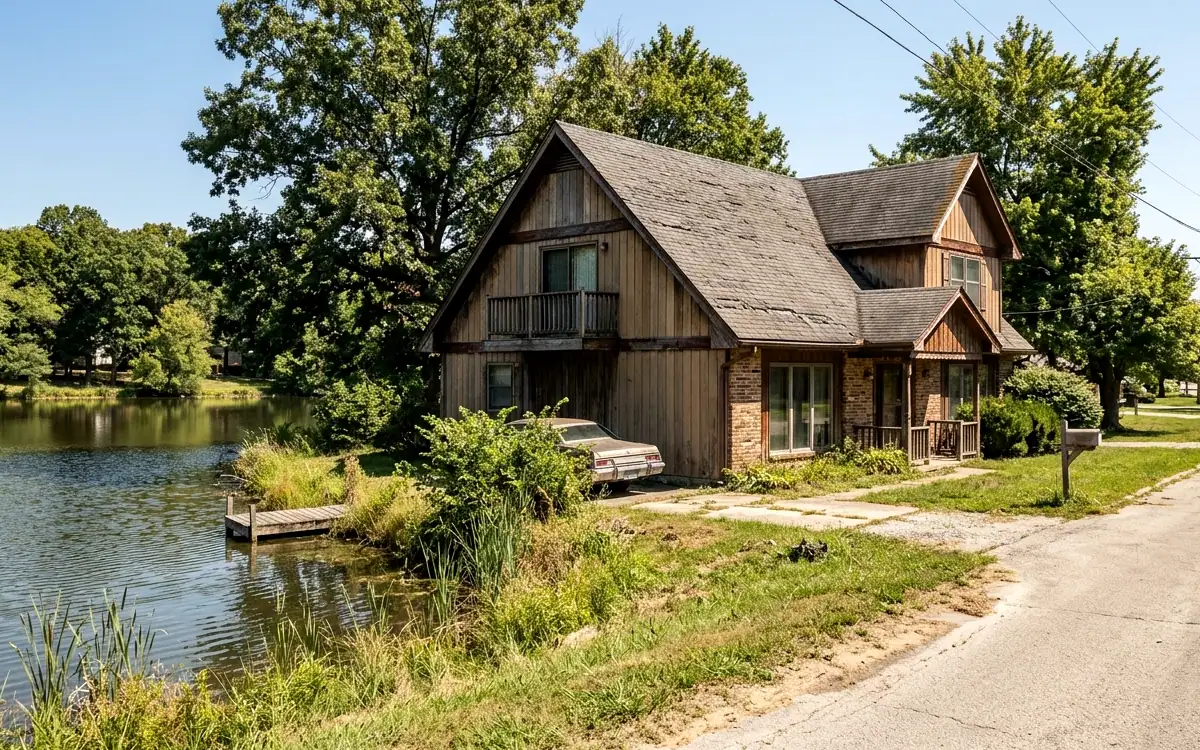
We repair and replace roofs, siding, soffits and fascia on Lake Saint Louis homes, especially houses built from the 1970s onward that now need their next exterior update. A visit covers the shingles, the roof deck, attic ventilation and the wood trim at the eaves. You get photos and a plain explanation. Call 24/7, including nights and weekends.
What Lake Saint Louis, MO homeowners call us about
Lake Saint Louis was planned as a lake community, and its first neighborhoods took shape in the 1970s. That means a large share of the homes are now at the age where original materials are retiring. The house that was shiny and new when the lake filled has probably had one roof already, maybe two, and the wood at its eaves and siding has been through decades of humid summers and freezing winters.
This is not storm-chasing work. Most calls here are about aging exteriors: a ceiling stain under a roof that was replaced years ago, fascia boards that have gone soft behind the gutters, or siding at the bottom of a wall that has started to swell and peel. We look at how all those pieces connect, because a single problem at the eave often has several causes working together. That whole picture shapes our recommendation.
Because many streets share the same era and builders, similar problems appear house after house. That helps us spot patterns quickly, but each home still gets its own inspection. We climb up, check the attic from inside, and walk the siding at ground level. Then we talk through the findings in plain terms, with photos, so you can decide what should be done now and what can wait. Nothing is hidden, and nothing is rushed.
What 1970s and later lake community homes need now
The older neighborhoods around the lakes include two-story colonials, ranches, split levels and contemporary designs with steep rooflines, many finished with cedar, hardboard or early vinyl siding. Roof decking from that period is often thin plywood or board sheathing that can sag between rafters after decades of weight. Attic ventilation was designed for a different standard, usually a few small gable or soffit vents, so heat and moisture build up above the ceiling.
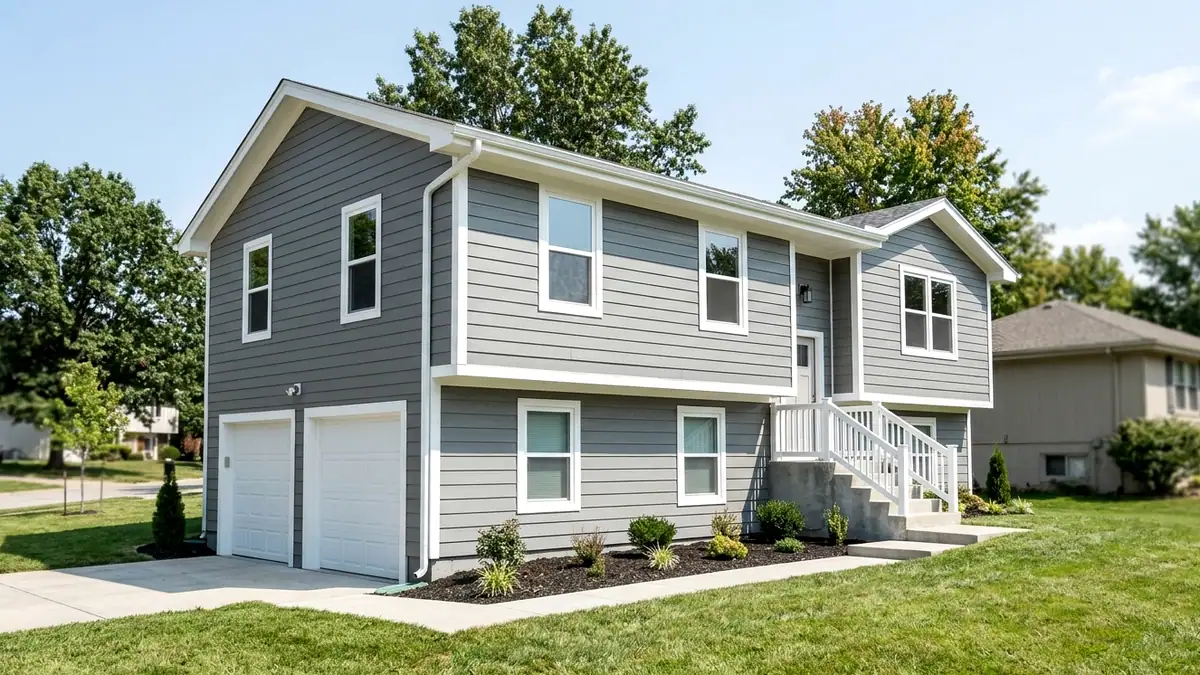
Newer sections added in the 1990s and 2000s look more like modern subdivisions, with laminated shingles, vinyl or composite trim and larger garages. Those roofs are younger, but they too are heading toward their first replacement. Across both generations, fireplaces often sit inside a wood-framed chase with a metal cap, and these caps rust through and let rain into the framing, a problem that is easy to miss from the ground.
How aging exteriors fail around the lakes
Soft wood fascia behind gutters
Overflow and trapped moisture rot the fascia board over many seasons. Once soft, it will not hold gutter hangers, so gutters pull away and let water reach the rafter tails and soffit.
Swollen hardboard and wood siding
Original hardboard and cedar siding soak up moisture at the bottom courses and around windows. Edges swell, paint peels, and rot spreads behind the boards before it shows on the surface.
Too few attic vents for the roof
Older homes often have small vents that cannot clear summer heat. The attic bakes, shingles age faster from underneath, and winter moisture condenses on the roof deck instead of escaping.
Rusted metal chase covers
Wood framed chimney chases usually wear a flat metal pan. Once it rusts or loses its seal, rain drips onto the framing and shows up as a stain beside the fireplace.
Sagging thin plywood decking
Roof sheathing from the 1970s can be thinner than current standards. Between rafters it dips, creating a wavy look and stressing nails, which is why a tear-off often includes deck repair.
Seeing one of these in Lake Saint Louis, MO?
Call (314) 461-6440 any hour. We inspect in daylight and show you photos of what we find.
What our crew checks first on a lake community home
- Fascia boards behind the gutters, pressed with a screwdriver for softness
- Bottom siding courses and window trim for swelling, peeling or rot
- Attic vent count and whether insulation is blocking the soffit openings
- Metal pan on any wood framed fireplace chase for rust and gaps
- Roof deck for dips between rafters and signs of old moisture
Services Lake Saint Louis, MO homes need most
Soffit & Fascia Repair
Roof edge trim repair. The soffit and fascia close the edge of your roof, keep out birds and wasps, and carry your gutters.
Engineered Wood Siding
LP SmartSide style siding. Engineered wood siding gives a painted-wood look with the workability of lumber and a factory-applied coating.
Roof Replacement
Full tear-off, start to finish. A roof replacement strips the old covering down to the deck, repairs what is hiding underneath, and builds a new system on top.
Roof Decking Replacement
The layer under your roof. Decking is the wood your whole roof is nailed to, and it often hides rot, gaps, or old plank spacing.
Window Replacement
Vinyl and fiberglass windows. We replace tired windows on St.
Roof Ventilation
Attic airflow that protects shingles. A roof needs air moving under it to shed summer heat and winter moisture.
Nearby areas we also cover
Roofing questions from Lake Saint Louis, MO
My Lake Saint Louis home is from the 1970s. What exterior work comes up first?
Usually the roof, the wood at the eaves, and the siding on the weather side of the house. We inspect all three together because they affect each other. Rotted fascia lets water behind gutters, and a hot attic shortens shingle life. You get photos of each area and a clear priority list.
Can fascia and soffit near the lake be repaired without replacing the roof?
Yes, if the roof itself is in good condition. We cut out the soft fascia, replace it with sound material, fix the soffit panels and reattach the gutters. If the shingles are also near the end of life, we explain whether doing both together saves money.
What siding is a good swap for old hardboard siding in Lake Saint Louis?
Engineered wood, fiber cement and vinyl are the usual choices. Engineered wood keeps a painted wood look, fiber cement resists moisture and fire, and vinyl is lowest in cost. We go over the trade-offs for your house and show you samples of each over the phone and in person.
Does a metal cap on my fireplace chase need to be replaced?
If it is rusty, bent or no longer sealed at the edges, yes, it should be repaired or replaced. A leaking chase cap lets water into hidden framing, which can cause rot long before a ceiling stain appears. We inspect it close up and show you what it looks like.
Roof or siding trouble in Lake Saint Louis, MO?
Call any hour. We set up a daylight inspection and walk you through what we find.