Siding installation for St. Louis homes, wall to trim
A new siding job is more than panels on a wall. We strip the old cladding, fix the sheathing, wrap the house, flash every opening and finish the trim across St. Louis and the nearby counties.
- Answered 24/7
- Siding
- City, county and Metro East
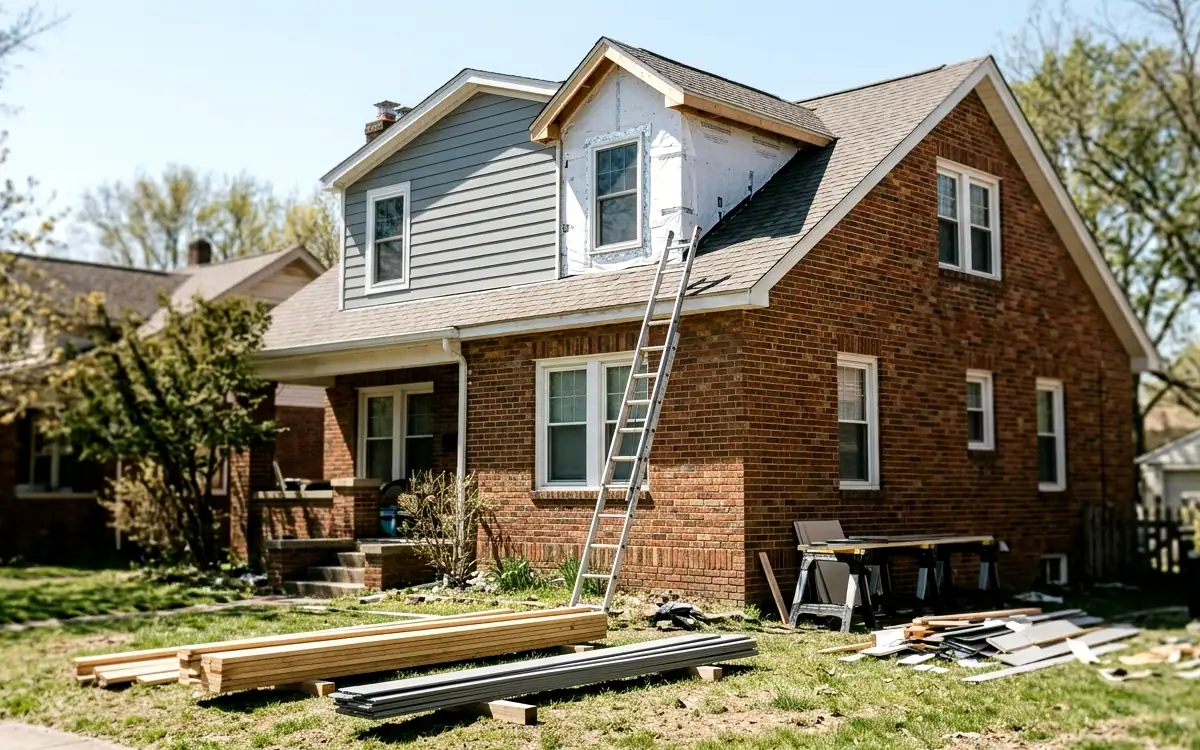
Siding installation means removing worn cladding, repairing the wall underneath, covering it with house wrap, flashing windows and doors, then hanging new siding and trim. You need it when panels are warped, faded through, or letting water behind them. We walk the house, take photos of problem spots, and explain the wall system step by step before any work starts.
How we handle siding installation on St. Louis homes
A siding installation starts with what is under the old panels, because that decides everything else. On many St. Louis homes we pull back a few courses first and look at the sheathing, the nails and the paper behind it. Soft spots near windows, dark staining at the bottom of walls and rusted nail heads tell us whether the wall needs repair before new material goes up. Skipping that check is how new siding ends up hiding old rot.
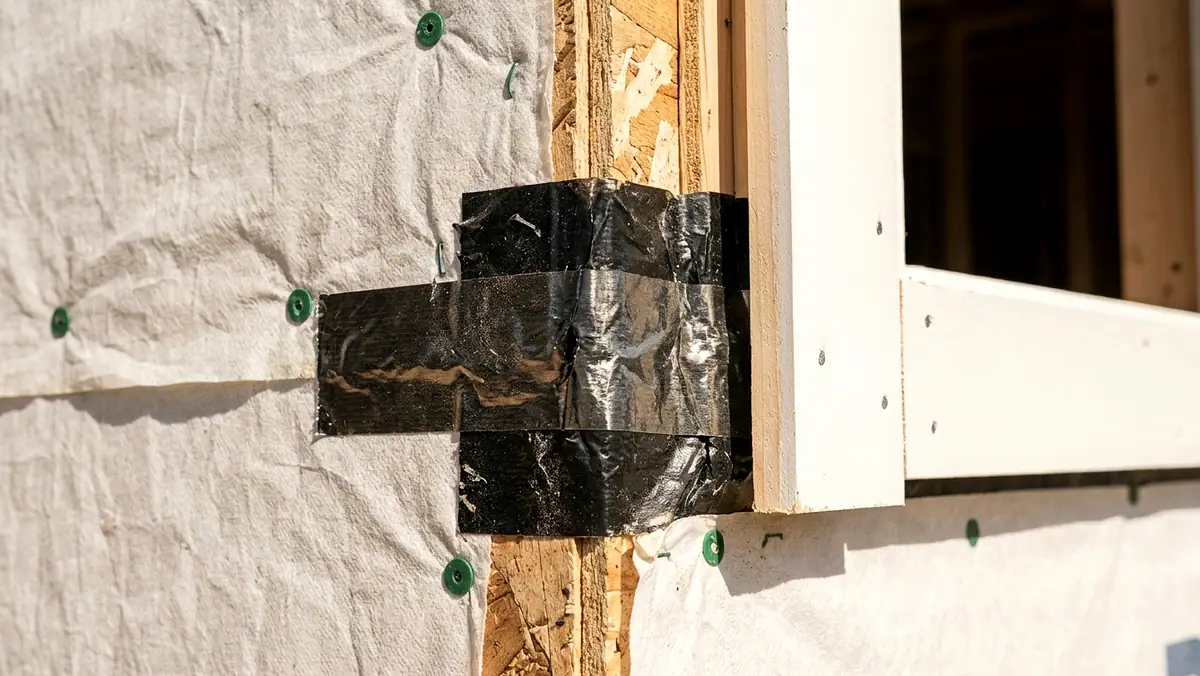
Once the wall is sound, the crew wraps the house, and this is the step homeowners rarely see afterward. House wrap is lapped from the bottom up so water that gets behind the siding runs down and out, never in. Window and door openings get flashing tape on the sills first, then the jambs, then the heads. Corners and any spot where a roof meets a wall get their own flashing before a single panel is hung.
Trim is where a siding job looks finished or looks rushed. We set corner posts plumb, wrap or replace window casings, and leave the expansion gaps each material needs so panels can move with summer heat and winter cold. Caulk goes only where it belongs, not as a patch over gaps that should have been flashed. When the last piece is up, we walk the house with you and point out every detail we added behind the surface.
Which siding material suits your house?
Vinyl panels
The most common choice on county ranches and subdivision homes. Light, quick to hang, color runs through the panel, and it handles freeze-thaw well when fastened loosely.
Fiber cement board
Dense cement and wood fiber boards that stand up to humid summers and shrug off most hail. Heavier to handle, painted or pre-finished, with a clean lap or shingle look.
Engineered wood
Wood strand boards with a factory coating, cut and nailed like lumber. A fit for older neighborhoods where owners want a painted-wood profile at a lighter weight than fiber cement.
Aluminum panels
Found on many older homes and still available. Aluminum dents in hail but never rots, and it helps when a rear addition has to match existing metal siding on the rest of the house.
What does siding installation cost in St. Louis?
Price follows wall area, material and what the old wall hides. A brick home with siding on two gables is a small job, while a two-story house resided on every side is a large one. Rot repair, extra layers to remove, tall scaffolding on second stories and many window openings all add labor. Material choice moves the total more than anything else, with vinyl at the low end and fiber cement or engineered wood higher.
Compare every roofing and siding price range or plan the order of your exterior work.
| Work | Typical range |
|---|---|
| Gable or dormer siding, small areas | $1,285 to $3,940 |
| Vinyl, whole house, per project | $9,460 to $17,880 |
| Fiber cement or engineered wood, whole house | $16,730 to $34,260 |
| Sheathing repair behind old siding, per wall | $385 to $1,940 |
These are typical 2026 St. Louis ranges for planning only, not quotes, and your final number depends on the walls we actually see.
How a siding installation runs, from teardown to final trim
- 1
Walk the house and photograph
We look at every wall from the ground, note brick-to-siding transitions, and photograph rot, gaps and loose trim. You get a plain explanation of what each wall needs before anything is removed.
- 2
Strip old siding and trim
Old panels, J-channel and corner posts come off course by course. Nails are pulled, not left behind, and debris is cleaned up daily so lawns and driveways stay clear.
- 3
Repair sheathing and wrap the wall
Rotted boards are cut out and replaced, then the wall is covered with house wrap lapped shingle style and taped at seams, with flashing tape set around every window and door.
- 4
Hang siding and set trim
A starter strip goes on level, then panels or boards are fastened to the maker's pattern with room to move. Window casings, corners, soffit returns and gable trim follow.
- 5
Seal, clean and walk it together
Joints that need sealant get it, the site is magnet-swept for nails, and we walk each wall with you, sharing the photos we took of flashing details now hidden behind the siding.
How do you know the walls need new siding, not a patch?
Panels warped across whole walls
When bowing, buckling or waves show on most of a wall, not one spot, the fastening and the wall behind are failing together. Patching a wall like that only moves the problem a few feet.
Color gone chalky or bare
A chalky residue that rubs off on your hand, or color faded to bare gray, means the surface layer is spent. Water now gets into the material faster than the wall can dry.
Soft or stained sheathing underneath
Press a screwdriver tip into the trim beside a window. If it sinks in, or you see dark staining on boards at the bottom of the wall, water has been getting behind the cladding.
Interior stains below window corners
Brown rings on drywall under a window, or bubbling paint on an exterior wall inside a closet, often trace to missing flashing outside rather than a roof leak.
Drafts and uneven room temperatures
Drafts around outlets on exterior walls, cold corners in winter and rooms that never match the thermostat point to gaps in the wall wrap and thin or missing insulation behind old panels.
Repairs that keep coming back
If you have replaced the same cracked panels or patched the same corner more than twice, the real fault is usually behind the surface, and the lasting fix is a full resurface of that wall.
What siding installation looks like on St. Louis houses
Siding in St. Louis is rarely all or nothing. Across the city, brick houses from the early 1900s carry siding only on dormers, gables, bays and rear additions, so the job is often a few hundred square feet worked around masonry and window openings. Out in St. Louis County, 1950s to 1970s ranches and split levels usually have siding on the full upper level or on every wall. Each type needs a different plan for flashing where siding meets brick.
Weather sets the schedule and the details. Spring hail and wind-driven storms test every seam, summer humidity keeps walls damp on the shaded north side, and freeze-thaw cycles pry open any gap that holds water. In St. Charles County subdivisions built from the 1990s on, we often find siding that was hung quickly with little flashing at windows, so water damage shows up around the second-floor corners first. We plan the wrap and sealing around those patterns.
Where we handle siding installation
The city, the counties and the towns below cover most of the homes we work on. If yours is not listed, call and ask.
- City of St. Louis 63102
- St. Louis County, MO 63105
- St. Charles County, MO 63301
- Florissant, MO 63031
- Chesterfield, MO 63017
- Oakville, MO 63129
- St. Charles, MO 63301
- O'Fallon, MO 63366
- St. Peters, MO 63376
- Kirkwood, MO 63122
- Mehlville, MO 63125
- Belleville, IL 62220
- University City, MO 63130
- Ballwin, MO 63011
- Wentzville, MO 63385
- Hazelwood, MO 63042
- Webster Groves, MO 63119
- Edwardsville, IL 62025
- Collinsville, IL 62234
- Alton, IL 62002
- O'Fallon, IL 62269
- Arnold, MO 63010
- Affton, MO 63123
- Jefferson County, MO 63050
Shingle, siding and window lines we install and repair around St. Louis include GAF, Owens Corning, CertainTeed and James Hardie, plus the other brands below.
- GAF
- Owens Corning
- CertainTeed
- IKO
- Atlas
- Malarkey
- James Hardie
- LP SmartSide
- Alside
- Mastic
- DaVinci
- Velux
- Carlisle
- Firestone
Siding Installation questions
How long does a whole-house siding installation take?
Most single-family homes take roughly three to seven working days from teardown to final trim, depending on size, height and how much sheathing needs repair. Weather can shift the schedule, since wrap and siding should go up on dry walls. We tell you the plan for each day before the crew starts.
Do you remove the old siding or install over it?
We remove it. Installing over old panels traps moisture, hides rot, and leaves the new siding sitting proud of the window trim. Stripping the wall lets us inspect and repair the sheathing, add house wrap and flash the openings properly, which is the part that decides whether the wall stays dry.
What is house wrap and does my St. Louis home really need it?
House wrap is a water-resistant layer that sits between the sheathing and the siding. No siding is fully watertight, so wind-driven rain always gets behind it eventually. The wrap, taped seams and flashing give that water a path down and out. Skipping it is a common reason walls rot behind good-looking siding.
Can new siding go on only the gables and dormers of a brick house?
Yes. Many brick houses carry siding only on dormers, gables and rear additions, and those sections are done as a stand-alone job. The crew flashes carefully where siding meets brick or a roof edge, and matches the new profile and color to whatever remains on the house.
Is a permit needed to replace the siding on my house?
Permit rules for siding vary by city and municipality across the St. Louis area, and some places ask for one on a full resurface while others do not. We check what applies to your address and handle any paperwork that is needed, so you do not have to track it down yourself.
Related work we often pair with siding installation
Vinyl Siding
Vinyl siding options. Vinyl remains the most common siding on St.
Fiber Cement Siding
James Hardie style board. Fiber cement board gives St.
Engineered Wood Siding
LP SmartSide style siding. Engineered wood siding gives a painted-wood look with the workability of lumber and a factory-applied coating.
Soffit & Fascia Repair
Roof edge trim repair. The soffit and fascia close the edge of your roof, keep out birds and wasps, and carry your gutters.
Need siding installation in St. Louis?
Call any hour. A roofer answers, asks a few questions and sets up a visit.