Roof inspection in St. Louis, MO: what we check and report
A roof inspection shows you what the shingles, flashing and vents are doing before water finds the weak spot. We climb every slope, photograph what we find, and walk you through it in plain terms.
- Answered 24/7
- Roof Care & Claims
- City, county and Metro East
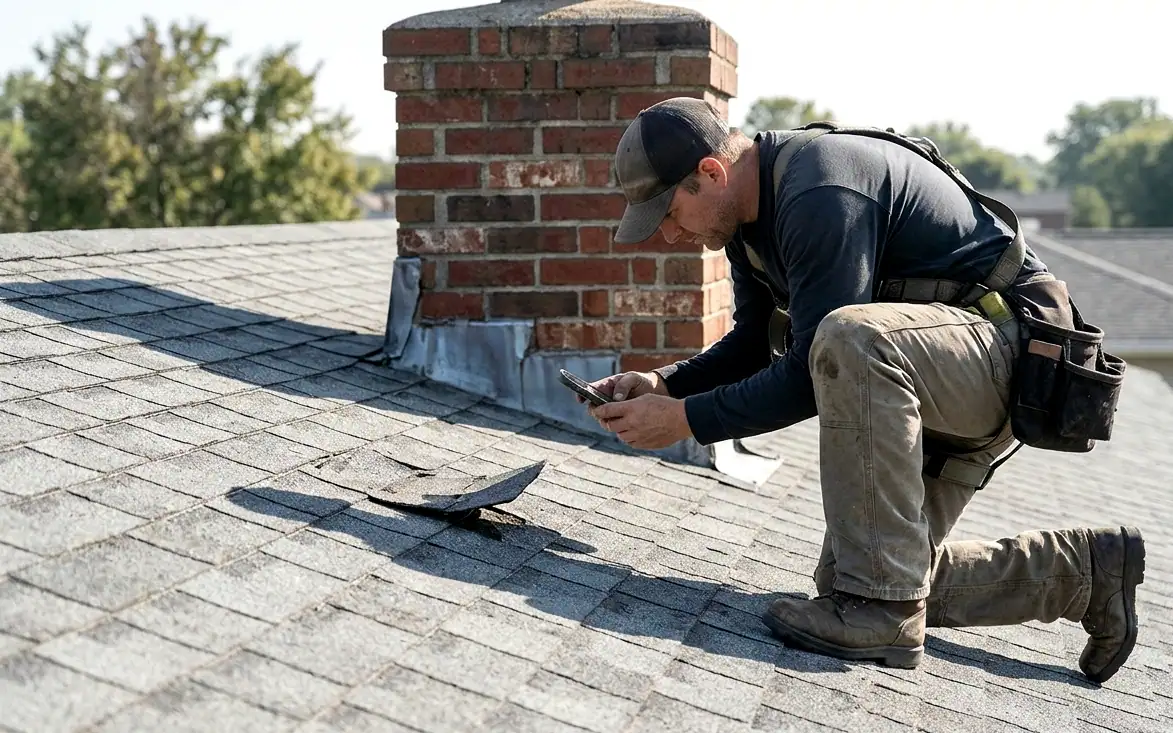
A roof inspection is a full walk of the roof surface, flashing, penetrations, gutters and attic underside, finished with a photo-backed list of what is sound and what is not. You need one after hail or wind, before buying or selling, or every few years on an aging roof. Most visits run an hour or two.
How we handle roof inspection on St. Louis homes
Most roof failures start small. A lifted shingle tab, a dried bead of sealant at a vent boot, or a rusted nail head lets a little water into the decking every time it rains. By the time a stain shows up on the ceiling, the damage underneath has often been building for a season or more. An inspection finds those early stages while the fix is still a repair and not a replacement.
We inspect the way a roofer works, on the surface and not from a drone photo. A crew member walks each slope when it is safe, checks the field of the roof for granule loss and cracking, then moves to the edges, valleys, chimneys and every penetration. On steep pitches or fragile slate, we use ladders and close-up photography instead of stepping on brittle material.
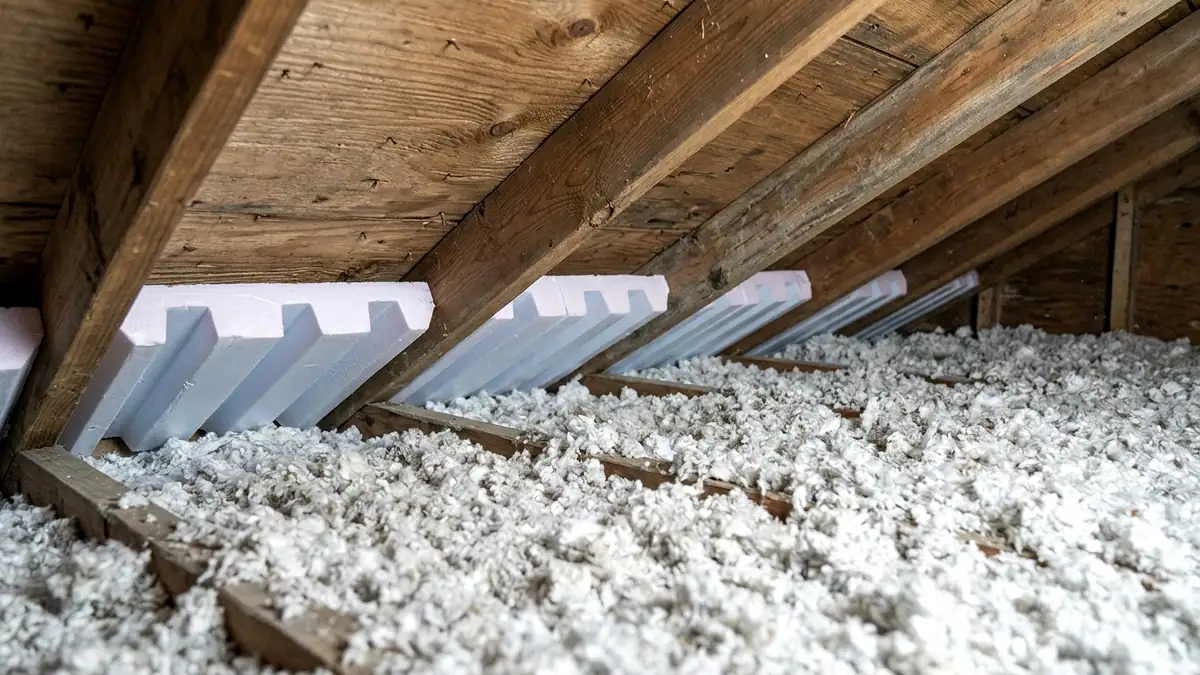
Then we go inside. The attic tells you things the roof cannot: dark rings around nail tips, damp insulation, daylight at the ridge, or a bathroom fan dumping moist air into the cavity. You get the photos, the findings sorted by urgency, and a straight answer on whether the roof needs a repair, routine care, or nothing at all this year.
When is it time to have your roof inspected?
Hail or high wind just passed
After a spring storm cell moves through, bruised shingles and shifted ridge caps are easy to miss from the yard. Inspect within a few weeks, while dates and photos are still fresh.
Granules collecting in gutters
Dark gritty sand in downspout splash zones means asphalt shingles are shedding their protective surface. A little is normal on a new roof; heavy piles on an older one point to wear.
Ceiling stains or a musty attic
Brown rings on drywall, peeling paint near a chimney, or a damp smell upstairs usually mean water is already getting in, and the entry point is rarely directly above the stain.
Buying or selling the house
A seller's report or a buyer's pre-closing look settles arguments about roof age and condition with photos instead of opinions, and shows which repairs to expect in the first few years.
Roof past its middle years
Once an asphalt roof passes ten to twelve years, yearly checks catch brittle shingles, tired sealant and rusted flashing before leaks do. Slate, tile and metal need a look every few years.
Sag, curl or missing pieces
Curling tabs, bare patches and a wavy ridgeline seen from the street each have a different cause. Walking the roof tells us whether the problem is cosmetic or structural.
What St. Louis weather does to a roof between inspections
Spring hail and thunderstorm season, roughly March to June, is the main reason inspections matter here. Hail hits can be scattered across a single slope, leaving soft spots on shingles that you cannot see from the ground. Summer heat and humidity then bake the damage in by speeding granule loss, and the first hard freeze of winter cracks open anything that was already weakened, which is how a small spring problem becomes a January leak.
The housing stock adds its own checklist. South city brick homes often have flat rear roofs, parapet walls and box gutters that hold water against the masonry. County ranch homes carry one wide asphalt slope with several plumbing vents. Newer St. Charles County subdivisions usually have lighter shingles and tight valleys. Each type fails in a different place, so we inspect with the house in mind.
How a Stars and Stripes roof inspection runs
- 1
Walk the property from the ground
We start in the yard, studying rooflines, gutters, downspouts and fascia from several angles, and ask what you have noticed inside, such as stains, drips or noises during storms.
- 2
Walk every slope by hand
When conditions are safe we climb the roof and check shingles, seams, nail lines and ridge caps by hand, photographing anything lifted, cracked, bruised or worn through.
- 3
Test flashing and penetrations
Chimneys, skylights, plumbing boots and wall transitions get the closest look because they leak first. We check sealant, press on metal edges, and look for rust, gaps and old patch jobs.
- 4
Look at the attic underside
From inside we look for stained decking, wet insulation, daylight and blocked vents. This confirms whether a problem on the roof has already let moisture into the framing.
- 5
Go through the photos with you
We sort the findings into fix now, watch, and fine, show you each picture, and tell you plainly whether the roof has years left. What happens next is your decision.
Which type of inspection fits your situation?
Routine condition check
A once-over of the whole roof and attic with photos. It suits homeowners who want to know where the roof stands before a season or a big spending decision.
Post-storm damage inspection
Focused on hail bruising, wind creases and displaced pieces, with test squares and measurements recorded so you have clear documentation if you decide to involve your insurer.
Pre-purchase or pre-listing report
A report written for the real estate timeline, with age estimates, remaining life and likely near-term repairs in language that a buyer, seller or lender can follow.
Leak investigation
When water is already coming in, we trace it from the stain upward through the attic and across the roof surface, since the visible drip is seldom near the true source.
What does a roof inspection cost in St. Louis?
Price depends on roof size, pitch and how much of the house needs a look. A single-story ranch with an easy pitch goes faster than a three-story brick with a slate section and a parapet flat roof, which calls for extra ladders and care. Attic access, a leak search, or a written report for a closing all add time. Many homeowners pair an inspection with routine care or a repair, which can change how the visit is priced.
Compare every roofing and siding price range or plan the order of your exterior work.
| Work | Typical range |
|---|---|
| Basic roof and attic check | $145 to $265 |
| Post-storm damage inspection with photos | $185 to $340 |
| Pre-sale or pre-purchase report | $235 to $415 |
| Leak trace on a multi-level house | $195 to $385 |
These are typical St. Louis ranges for planning, not a quote, and roof size, pitch and access can move them.
Where we handle roof inspection
The city, the counties and the towns below cover most of the homes we work on. If yours is not listed, call and ask.
- City of St. Louis 63102
- St. Louis County, MO 63105
- St. Charles County, MO 63301
- Florissant, MO 63031
- Chesterfield, MO 63017
- Oakville, MO 63129
- St. Charles, MO 63301
- O'Fallon, MO 63366
- St. Peters, MO 63376
- Kirkwood, MO 63122
- Mehlville, MO 63125
- Belleville, IL 62220
- University City, MO 63130
- Ballwin, MO 63011
- Wentzville, MO 63385
- Hazelwood, MO 63042
- Webster Groves, MO 63119
- Edwardsville, IL 62025
- Collinsville, IL 62234
- Alton, IL 62002
- O'Fallon, IL 62269
- Arnold, MO 63010
- Affton, MO 63123
- Jefferson County, MO 63050
Shingle, siding and window lines we install and repair around St. Louis include GAF, Owens Corning, CertainTeed and James Hardie, plus the other brands below.
- GAF
- Owens Corning
- CertainTeed
- IKO
- Atlas
- Malarkey
- James Hardie
- LP SmartSide
- Alside
- Mastic
- DaVinci
- Velux
- Carlisle
- Firestone
Roof Inspection questions
How long does a roof inspection take on a typical St. Louis house?
Most single-family homes take about an hour or two on the roof and in the attic, plus time to go through the photos with you. Large brick homes with several roof levels, slate sections or a flat rear roof can take longer. We do not rush it, because the details around flashing and vents are where leaks hide.
Do I need to be home while you inspect the roof?
It helps to be there for the walkthrough at the end, but you do not need to stand in the yard during the work. If you want the attic checked, let us know where the hatch is. We go over every photo with you before the visit wraps up.
Will an inspection find hail damage I cannot see from the ground?
Often, yes. Hail bruises on asphalt shingles show up as soft, dark spots where granules were knocked loose, and they are hard to spot from the yard. We check each slope up close, mark what we find, and compare it against the roof's age and wear.
How often should an older asphalt roof be checked?
Once an asphalt roof is past roughly ten years, a yearly look is a sensible habit, plus an extra check after any serious storm. Younger roofs can go longer between visits. Slate, clay tile and metal roofs usually hold up well but still need their flashing and fasteners looked at every few years.
Can you tell me how many years my roof has left?
We can give an informed estimate based on shingle condition, granule loss, flashing, attic evidence and how the roof has weathered, but nobody can promise an exact number. What you will get is a clear picture of whether the roof looks closer to its start, middle or end.
Related work we often pair with roof inspection
Roof Maintenance
Small fixes, longer roof life. Roofs rarely fail all at once.
Roof Repair
Everyday roof repair. Most roof problems start small: a few lifted shingles, a cracked boot, a nail that backed out.
Hail Damage Roof Repair
Hail impact repair. Hail rarely punches holes.
Roof Certification for Home Sales
A written roof report for the sale. When a house is changing hands, the roof is often the biggest unknown.
Need roof inspection in St. Louis?
Call any hour. A roofer answers, asks a few questions and sets up a visit.