Metal roofing in St. Louis: panels, stone-coated steel, and more
Metal roofing covers more than one product. Exposed-fastener panels, stone-coated steel shingles, and lighter metal tiles all work on St. Louis homes, and each fits a different budget, roof shape, and look.
- Answered 24/7
- Roof Replacement
- City, county and Metro East
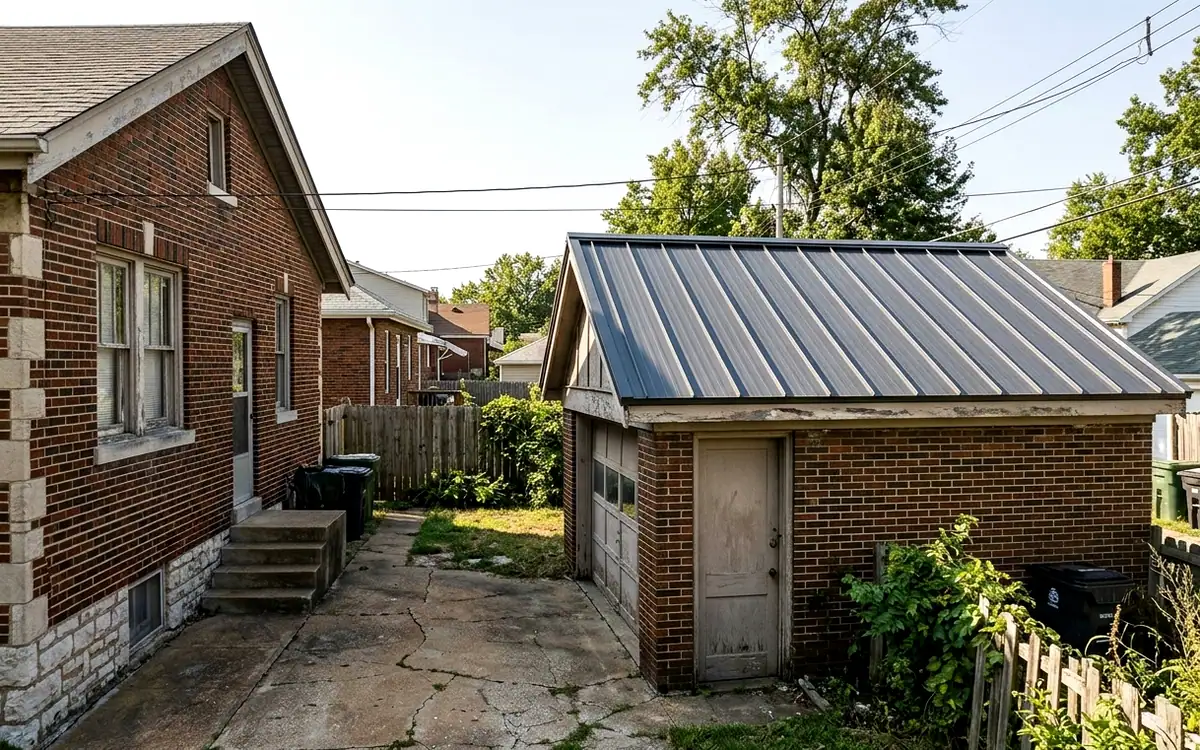
Metal roofing is a roof covering of steel or aluminum, sold as ribbed panels with exposed screws or as stone-coated steel shingles. It sheds rain and snow fast and can last for decades. You look at metal when planning a replacement, building a porch or garage roof, or wanting a covering that lasts. A visit covers panel profile, color, and fastening.
How we handle metal roofing on St. Louis homes
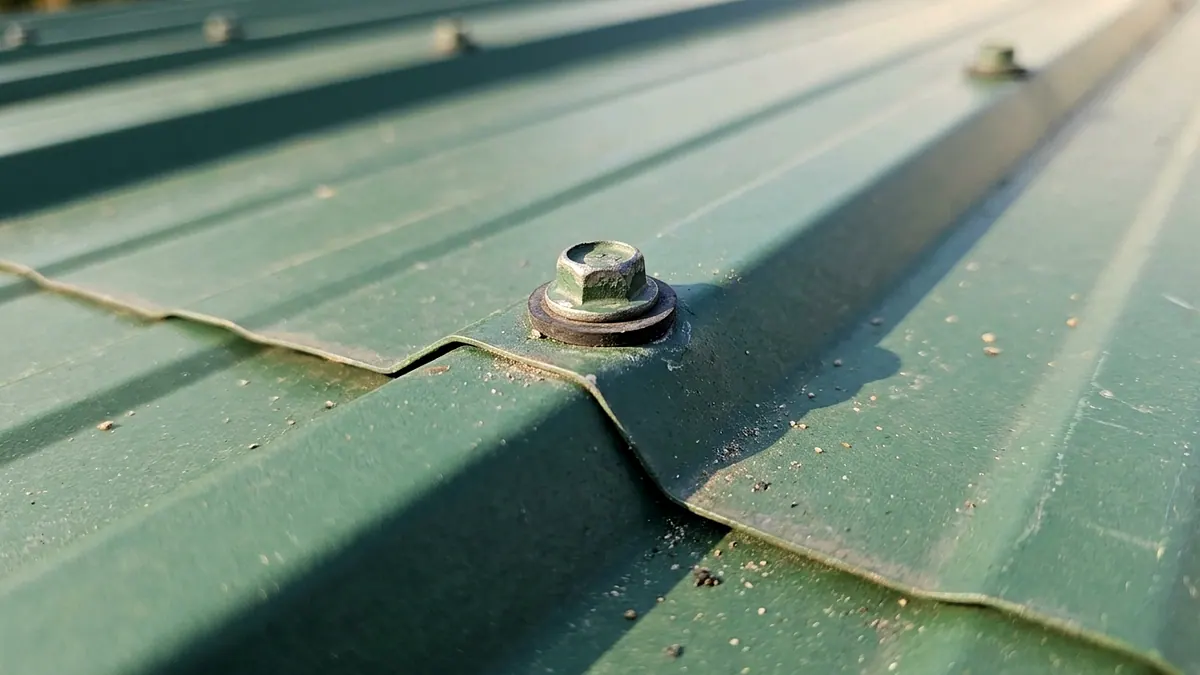
Metal roofs come in families. Exposed-fastener panels, the corrugated or ribbed sheets you see on barns, garages, and many modern homes, are screwed straight through the face of the panel with rubber-washered screws. They cost less than concealed-fastener systems, go on fast, and suit simple roof planes. The tradeoff is that those screws and washers need periodic checks as the metal expands and contracts through St. Louis seasons.
Stone-coated steel is a different animal. These are steel panels pressed to look like shingles, shakes, or tile and covered in a layer of stone granules fused to the surface. They are quieter in rain than bare panels, hide their fasteners under overlap, and read more traditional on a brick bungalow or ranch. They weigh more than shingles, but far less than real slate or clay tile, so many existing roof frames can carry them.
Choosing between them comes down to the house. A detached garage or addition roof is a natural fit for ribbed panels. A main roof on a street where everything else is shingled often looks better in stone-coated steel. We talk through trim, snow guards, valley details, and how the metal meets chimneys and walls before ordering a single sheet.
Which type of metal roof suits your house?
Exposed-fastener ribbed panels
Corrugated or ribbed steel sheets screwed through the face. The lowest-cost metal option and a good fit for garages, porches, and simple roof planes, with periodic screw checks.
Stone-coated steel shingles
Steel formed into shingle, shake, or tile profiles and coated with stone granules. Quieter than bare panels and a close match for traditional homes in older neighborhoods.
Metal shake and tile profiles
Stamped panels that imitate wood shake or barrel tile in lighter metal. They work where the look of a shake roof is wanted without the upkeep of cedar.
Aluminum panels
Lighter than steel and resistant to rust, which suits humid river-bottom locations. Softer than steel, so hail dents show more easily and thicker gauges are worth considering.
What does metal roofing cost in St. Louis?
Metal prices run well above asphalt and spread widely by product. Exposed-fastener panels sit at the low end of the metal range, stone-coated steel costs more, and each added valley, dormer, or chimney increases labor. Panel gauge, finish quality, trim, and snow guards all show up in the number too. Because a metal roof can outlast several shingle roofs, many homeowners compare the cost per year rather than the cost today.
Compare every roofing and siding price range or plan the order of your exterior work.
| Work | Typical range |
|---|---|
| Exposed-fastener panels, per square installed | $468 to $712 |
| Stone-coated steel, per square installed | $785 to $1,148 |
| Ribbed panel garage or porch roof | $3,480 to $7,260 |
| Full metal roof, mid-size home | $17,640 to $34,920 |
Treat these as typical 2026 St. Louis ranges rather than quotes, since your roof's size, pitch, and trim needs set the actual figure.
How a metal roof gets installed
- 1
Measure and choose a profile
We measure every plane, then settle panel style, gauge, color, and trim with you. Exposed-fastener ribs and stone-coated shingles need different layouts, so this step sets the whole plan.
- 2
Strip and prepare the deck
Old shingles come off, damaged boards get replaced, and the deck is swept clean. Metal telegraphs every bump in the surface below, so the substrate has to be flat and sound.
- 3
Underlayment, flashing, and trim
High-temperature underlayment goes down first, then eave trim, rake trim, and valley metal. Penetrations and wall tie-ins are flashed before any panel is set.
- 4
Set panels or stone-coated sheets
Panels are cut to length, squared off the eave line, and fastened on layout marks. Stone-coated shingles interlock course by course up the roof from the eave.
- 5
Snow guards, sealing, and final check
We add snow guards where slides would be dangerous, seal laps and penetrations, and sweep for cut shavings, which rust if left on the roof. Then we walk you through photos.
When does metal roofing make sense for your home?
You are tired of repeat repairs
If asphalt patches keep failing and each storm brings another service call, a metal system can end the cycle. Larger panels mean fewer seams and fewer places for water to enter.
Hail keeps damaging your shingles
Repeated hail seasons wear down asphalt. Metal and stone-coated steel resist cracking from small hail, though thin bare panels can still show dents, which is worth discussing before you choose.
A low-slope porch or addition
Porches and additions often leak on shingles because the pitch is too shallow. Ribbed panels handle gentler slopes that shingles are not built for, when installed over the right underlayment.
Heavy snow and ice buildup
Smooth steel sheds snow in sheets, which helps keep ice from building at the eaves. Snow guards hold that slide back from doors, walkways, and the car in the driveway.
Heat is cooking your attic
Reflective metal finishes bounce more sun than dark asphalt. Paired with a ventilated deck, a metal roof can run a cooler attic through July and August.
You plan to stay a long time
Metal costs more up front and pays back over decades. If this is a long-term home, installing one durable roof is cheaper than replacing a shingle roof two or three times.
Metal roofing on brick homes, ranches, and outbuildings
Metal on brick homes is about proportion and color. A dark bronze or charcoal stone-coated steel shingle can sit well on a south city bungalow or a Colonial in the county, while a bright ribbed panel looks wrong on a street of historic facades. Some neighborhoods have review boards or association rules, so we check what applies before ordering. Wind and hail are the practical concerns, so panel gauge and fastener spacing matter more than color.
Out in St. Charles and Jefferson counties, metal often shows up on garages, barns, porches, and acreage homes where the roof is simple and long runs of panel go on fast. In the Metro East, older river-town houses and newer suburban builds both use metal for add-ons. Humidity matters too: condensation under bare metal can drip into the attic, so an underlayment that handles condensation is part of every install.
Where we handle metal roofing
The city, the counties and the towns below cover most of the homes we work on. If yours is not listed, call and ask.
- City of St. Louis 63102
- St. Louis County, MO 63105
- St. Charles County, MO 63301
- Florissant, MO 63031
- Chesterfield, MO 63017
- Oakville, MO 63129
- St. Charles, MO 63301
- O'Fallon, MO 63366
- St. Peters, MO 63376
- Kirkwood, MO 63122
- Mehlville, MO 63125
- Belleville, IL 62220
- University City, MO 63130
- Ballwin, MO 63011
- Wentzville, MO 63385
- Hazelwood, MO 63042
- Webster Groves, MO 63119
- Edwardsville, IL 62025
- Collinsville, IL 62234
- Alton, IL 62002
- O'Fallon, IL 62269
- Arnold, MO 63010
- Affton, MO 63123
- Jefferson County, MO 63050
Shingle, siding and window lines we install and repair around St. Louis include GAF, Owens Corning, CertainTeed and James Hardie, plus the other brands below.
- GAF
- Owens Corning
- CertainTeed
- IKO
- Atlas
- Malarkey
- James Hardie
- LP SmartSide
- Alside
- Mastic
- DaVinci
- Velux
- Carlisle
- Firestone
Metal Roofing questions
Do exposed-fastener metal roof screws need to be tightened over time?
Yes, they need checking. The metal expands and contracts through St. Louis summers and winters, and the rubber washers under each screw age in sun and heat. A look every few years, plus resealing or replacing loose fasteners, keeps an exposed-fastener roof watertight and prevents slow leaks around screw holes.
Is stone-coated steel quieter than bare metal roofing panels?
Generally yes. The stone granule surface and the shingle-like profile break up raindrops and hail impacts, so the roof sounds closer to asphalt than to a tin roof. A solid deck and underlayment under any metal roof reduce noise further, and attic insulation helps quiet things down inside the house.
Can metal roofing panels be installed over existing shingles?
Sometimes, with battens or a new underlayment layer, but we usually tear off. Going over old shingles hides deck rot, can telegraph bumps through thin panels, and traps moisture. A tear-off lets us fix the decking and flash walls and chimneys properly before the metal goes on.
Does a metal roof attract lightning or make storms louder?
A metal roof does not attract lightning any more than another roof covering, though it can carry current away if a strike occurs. Noise depends on the product and the deck beneath: stone-coated steel on solid sheathing is fairly quiet, while bare panels on open framing sound louder in heavy rain.
Will hail dent a metal roof in St. Louis County?
Large hail can dent thin bare panels, though the roof usually keeps shedding water. Heavier gauge steel and stone-coated products resist denting better. If cosmetic dents bother you, we recommend a thicker panel or a textured stone-coated profile, and we mention that tradeoff before you choose.
Related work we often pair with metal roofing
Standing Seam Metal Roofs
Raised seams, hidden clips. Standing seam panels run unbroken from eave to ridge, held by hidden clips beneath the raised seams.
Roof Replacement
Full tear-off, start to finish. A roof replacement strips the old covering down to the deck, repairs what is hiding underneath, and builds a new system on top.
Roof Decking Replacement
The layer under your roof. Decking is the wood your whole roof is nailed to, and it often hides rot, gaps, or old plank spacing.
Seamless Gutters
New gutters, cut to fit. Seamless gutters are rolled from a coil of aluminum at your house, one continuous piece per run.
Need metal roofing in St. Louis?
Call any hour. A roofer answers, asks a few questions and sets up a visit.