Synthetic slate roofing in St. Louis, without the weight
Synthetic slate gives you the deep, textured look of natural stone in molded polymer or composite tiles that weigh far less. It suits homes where real slate is too heavy, too costly, or too hard to repair.
- Answered 24/7
- Roof Replacement
- City, county and Metro East
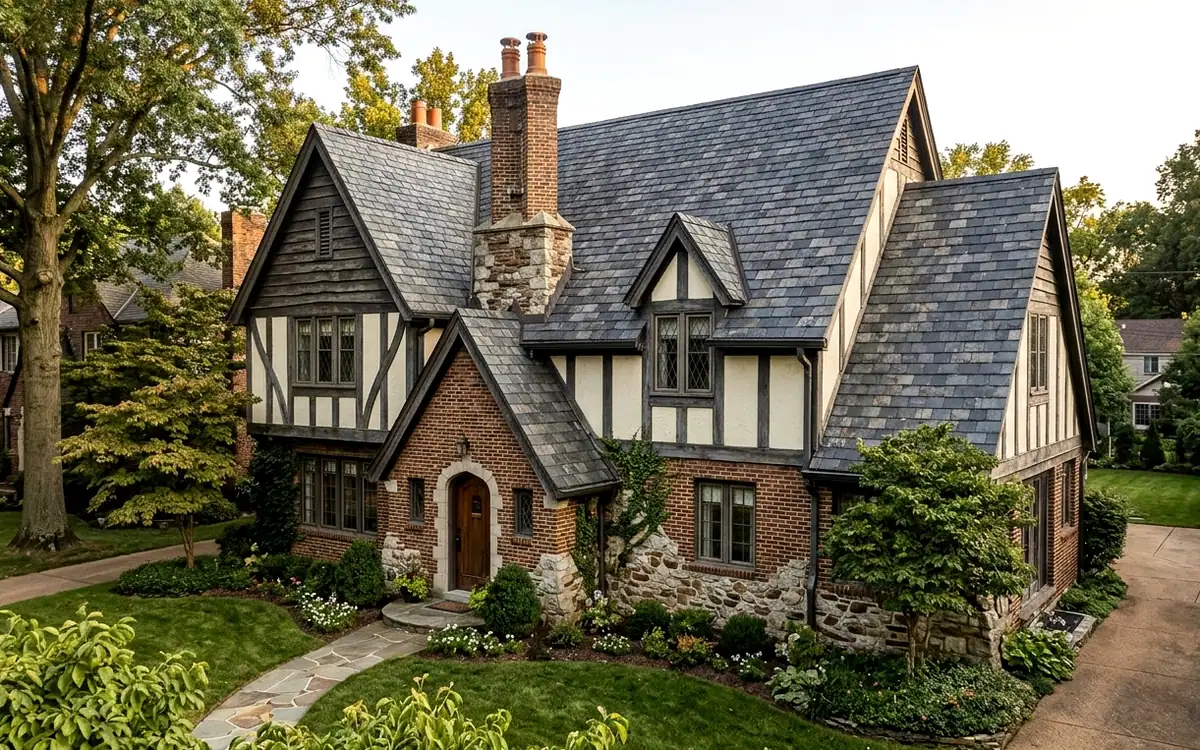
Synthetic slate roofing uses molded composite or polymer tiles shaped and colored to look like natural slate. It is lighter than stone, installs on standard framing in most cases, and comes in varied colors. You consider it for a slate-look roof on a replacement or remodel. A visit covers tile profile, color blend, and weight check.
How we handle synthetic slate roofing on St. Louis homes
Natural slate weighs somewhere around 800 to 1,500 pounds per square, and older homes were framed for the load only if the original roof was slate. Synthetic slate weighs a fraction of that, so you can get the stone look on a house that was built for shingles. That makes it a practical choice for remodels, additions, and homes where an engineer would balk at adding stone.
Composite tiles are made from polymers, rubber blends, or recycled materials, molded from real slate to capture the texture and edges. Good products blend several tones across the roof, which avoids a flat, repeated look. They are cut with common tools, nailed through marked fastening zones, and installed over the same underlayment, drip edge, and flashing as other premium roofs.
The decision is partly aesthetic and partly practical. Synthetic slate cuts cleanly, does not crack underfoot the way stone does, and costs less to install. It also avoids the repair headaches of aging natural slate. Where a historic review board requires a certain look, we bring samples and help match the shape, size, and color of the original tile.
What kinds of synthetic slate can you choose?
Polymer composite tiles
Molded from engineered polymers with a textured stone face. Lightweight, impact-rated in many lines, and available in varied widths that give a natural staggered look.
Rubber-based slate tiles
Made partly from recycled rubber, these resist cracking and absorb impact. They tend to be softer and are a good fit for roofs with limbs overhead or active kids.
Fiber cement slate
Slate-look tiles made with cement and fibers. Heavier than polymer, lighter than stone, and valued where a mineral surface and fire resistance matter.
Metal slate-look panels
Stamped metal panels in slate patterns. Lightest of the group and quick to install, though the look and sound differ from molded composite tile.
What does synthetic slate cost in St. Louis?
Synthetic slate costs more than architectural shingles and a good deal less than natural slate. The tile line, color blend, and roof complexity set the price, along with the amount of flashing and the number of hips and valleys. Because the work is slower than shingling and the tiles are priced as a premium product, a mid-size home can easily run into the tens of thousands.
Compare every roofing and siding price range or plan the order of your exterior work.
| Work | Typical range |
|---|---|
| Polymer slate tile, per square installed | $814 to $1,296 |
| Rubber-based slate tile, per square installed | $698 to $1,142 |
| Hip and ridge pieces, per linear foot | $19 to $43 |
| Full synthetic slate roof, mid-size home | $19,740 to $36,480 |
Expect these typical 2026 St. Louis ranges to move with tile line, roof shape, and detail work, and they are not quotes.
How we install a synthetic slate roof
- 1
Check framing and deck
We confirm the structure can take the weight of the new tile, check the decking for soundness, and replace any soft boards before tile arrives on site.
- 2
Pick tile profile and blend
You choose from tile widths, edge shapes, and color blends. We lay out sample tiles against your brick and trim so you can judge the combination in daylight.
- 3
Install underlayment and metal
High-quality underlayment, ice and water membrane, drip edge, and new flashing go in first. Metal details are set up to last as long as the tile itself.
- 4
Lay tiles in staggered courses
Tiles are mixed from several boxes to spread the color, then nailed in marked fastening zones course by course, with a headlap and offset the manufacturer specifies.
- 5
Finish hips, ridge, and details
Hip and ridge pieces, valleys, and wall flashings are completed. We sweep the roof and yard, then walk you through photos of the finished slate-look surface.
Is synthetic slate the right choice for your house?
You love the slate look
If you want the dark, textured appearance of slate on a brick home but the budget or framing rules out real stone, a quality composite tile gets you most of the way there.
Your framing cannot hold stone
Rafters built for shingles are not sized for heavy stone. Synthetic slate adds modest weight, so most homes can take it without costly structural work.
Your old slate roof is failing
When natural slate has delaminated or the nails have rusted out, replacing with a synthetic version keeps the look at a lower cost than a full stone re-lay.
You face frequent hail
Many composite tiles carry impact ratings, and they flex slightly rather than cracking like stone. Ask to see the rating sheet for any product we propose.
You want less maintenance
Synthetic tiles do not crack from foot traffic, do not need hooks, and shed limbs and debris without damage. Chimney sweeps and gutter crews can walk them more safely.
Your neighborhood has style rules
Some historic districts and associations require a slate look. Composite tiles can meet that requirement, though you should check the approval process before ordering.
Where synthetic slate fits on St. Louis homes
In St. Louis, synthetic slate most often replaces failing natural slate on brick homes in the city and county, or adds a slate look to a Tudor, Colonial, or French eclectic home that never had stone. Webster Groves, Kirkwood, and University City all have blocks of older houses where the roof is a visible part of the design, so tile color and profile get close attention from neighbors.
Weather affects the choice. Hail season calls for a tile with a solid impact rating, summer heat means the polymer must resist warping, and freeze-thaw cycles test every seam. We install over a clean, solid deck with ice and water membrane at eaves and valleys, and we check fastening zones carefully, since composite tiles depend on nail placement as much as shingles do. Wind-driven rain gets extra attention at hips and ridges.
Where we handle synthetic slate roofing
The city, the counties and the towns below cover most of the homes we work on. If yours is not listed, call and ask.
- City of St. Louis 63102
- St. Louis County, MO 63105
- St. Charles County, MO 63301
- Florissant, MO 63031
- Chesterfield, MO 63017
- Oakville, MO 63129
- St. Charles, MO 63301
- O'Fallon, MO 63366
- St. Peters, MO 63376
- Kirkwood, MO 63122
- Mehlville, MO 63125
- Belleville, IL 62220
- University City, MO 63130
- Ballwin, MO 63011
- Wentzville, MO 63385
- Hazelwood, MO 63042
- Webster Groves, MO 63119
- Edwardsville, IL 62025
- Collinsville, IL 62234
- Alton, IL 62002
- O'Fallon, IL 62269
- Arnold, MO 63010
- Affton, MO 63123
- Jefferson County, MO 63050
Shingle, siding and window lines we install and repair around St. Louis include GAF, Owens Corning, CertainTeed and James Hardie, plus the other brands below.
- GAF
- Owens Corning
- CertainTeed
- IKO
- Atlas
- Malarkey
- James Hardie
- LP SmartSide
- Alside
- Mastic
- DaVinci
- Velux
- Carlisle
- Firestone
Synthetic Slate Roofing questions
How much lighter is synthetic slate than natural slate on an older roof?
Synthetic slate often weighs a few hundred pounds per square, while natural slate can run well over a thousand. That difference lets many homes framed for shingles carry a synthetic slate roof without added structure. We check the rafters and decking first, so there are no surprises once the old roof comes off.
Does synthetic slate look real from the street?
From the ground, good composite slate is hard to distinguish from stone, especially with a mixed color blend and a staggered layout. Up close you may notice a more uniform edge or a molded texture. We bring samples so you can judge them against your brick before making a decision.
Can synthetic slate tiles handle St. Louis hail and freeze-thaw cycles?
Many products carry high impact ratings and flex rather than crack, and the material does not absorb water, so freeze-thaw cycles do less harm than they do to natural stone. Ratings vary by line, so we ask for the rating sheet and match the tile to hail risk in your area.
Is synthetic slate easier to repair than the real thing?
Generally yes. Individual tiles can be lifted and replaced with ordinary roofing tools, and the polymer does not shatter when we work around it. Keeping a few spare tiles from your install helps, since colors and profiles change over time and matching an old tile can be difficult.
Can synthetic slate go over my existing asphalt shingles?
We do not recommend it. Composite slate needs a flat, sound surface and proper underlayment, and layering over shingles hides deck problems and adds weight. A full tear-off lets us inspect the decking, fix soft spots, and install the tile with the nailing and flashing the product requires.
Related work we often pair with synthetic slate roofing
Slate Roof Repair
Careful repair on natural slate. Natural slate can outlast the house when it is repaired correctly.
Cedar Shake Roof Repair
Wood shakes, repaired right. Cedar shake roofs are uncommon in the region, which makes careful repair matter even more.
Roof Replacement
Full tear-off, start to finish. A roof replacement strips the old covering down to the deck, repairs what is hiding underneath, and builds a new system on top.
Asphalt Shingle Roofing
Shingles done properly. Asphalt shingles cover most St.
Need synthetic slate roofing in St. Louis?
Call any hour. A roofer answers, asks a few questions and sets up a visit.